Step 01: 1. Overview
A Next.js community showcase with a board-game-inspired visual identity, token information, a property-themed holder leaderboard, and community navigation.
A board-game-inspired community identity translated into a navigable website and themed leaderboard.
Area Details Project Community showcase website Contribution Frontend development and visual information presentation Status Public website captured Monopoly Community is a community website with a recognizable board-game-inspired visual identity. The page combines an introductory hero, project information, token-related sections, and a holder leaderboard that uses property names and imagery.
The front-end challenge was to make a strongly themed design behave like a usable website: visitors still need navigation, readable information, and clear routes to community resources.
Step 02: Features
- Themed community landing page
- Holder leaderboard presentation
- Token information and roadmap sections
- Community and social navigation
- Responsive layouts
Step 03: 2. The problem
A visual theme can easily overwhelm the structure of a landing page. The leaderboard introduces another problem: it contains structured values and identifiers that need to remain readable within the same expressive design.
The project therefore combines brand storytelling with a more functional presentation of ranked information.
Step 04: 3. Users and responsibilities
User Responsibility New visitor Understand the community identity and find introductory information Community member Navigate to project sections and external channels Leaderboard reader Compare ranked holder information Step 05: 4. Product workflow
- Explore the community.
- Read project sections.
- Inspect leaderboard.
- Open community resources.
The flow above describes the product journey. The following sections explain the implementation and the boundaries of this case study.
Step 06: 5. Core capabilities
Capability How it appears in the product Themed hero Board imagery, a coin visual, introductory copy, and calls to action Section navigation About, token information, roadmap, leaderboard, and FAQ anchors Leaderboard Ranked information with property names, images, accounts, and quantities Community navigation Links to the community’s external channels Copy interaction A convenient way to copy the displayed contract identifier Step 07: 6. Implementation and architecture
The repository uses Next.js, React, JavaScript, and Tailwind CSS. The public page is a section-based presentation with reusable visual elements. Its leaderboard is a distinct information surface rather than another block of marketing text.
The interesting design decision is the use of property names and imagery to connect a table-like ranking to the site’s theme. Numeric information still has a conventional role—rank, quantity, percentage—even when the visual framing is playful.
The portfolio contribution is the website and data presentation. The review does not establish the source or freshness of holder values, a blockchain indexing pipeline, or smart-contract implementation.
Technology stack
Layer Technology Framework Next.js and React Language JavaScript Styling Tailwind CSS Delivery Vercel Step 08: 7. Engineering and product decisions
Decision Reason Themed ranking Connect structured information with the visual identity Section anchors Keep a long community page easy to navigate Reusable presentation Maintain consistency across visually rich sections Explicit external links Make the boundary between the website and community resources visible Step 09: 8. Trade-offs and current scope
Heavy imagery increases the importance of contrast, loading behavior, and small-screen composition. A leaderboard also needs a documented data source and refresh policy before its numbers can be treated as live analytics.
This case study makes no token-performance, smart-contract-audit, or investment claim.
Step 10: 9. What I learned
A strong theme works best when it supports familiar information patterns. Visitors can enjoy the visual identity while still understanding how to navigate and compare the information.
Step 11: Project links
Keep exploring
View all projects Related projects
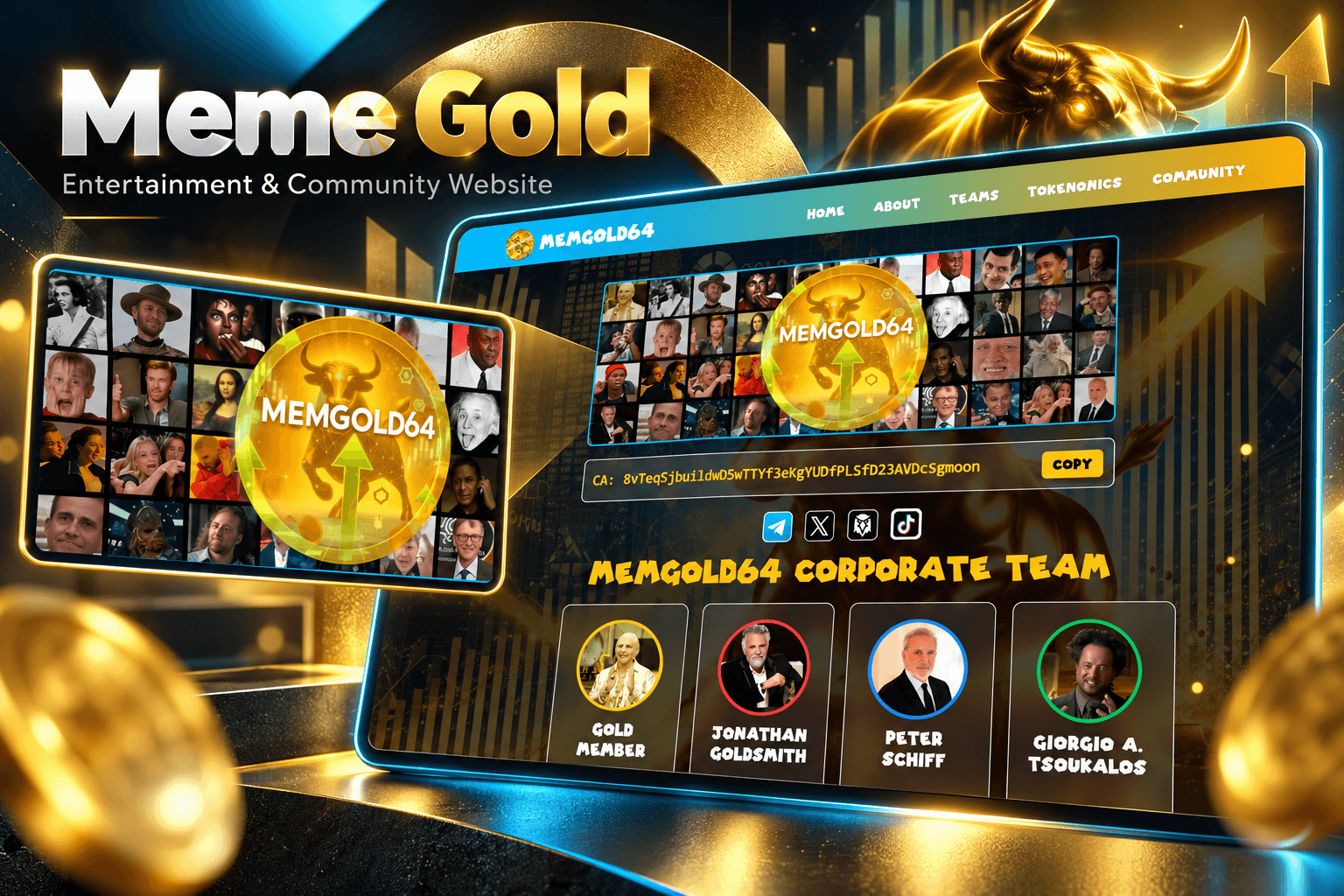
Others
Meme Gold
MemGold64 Community and Brand Landing Page
Next.js · React · JavaScript · Tailwind CSS
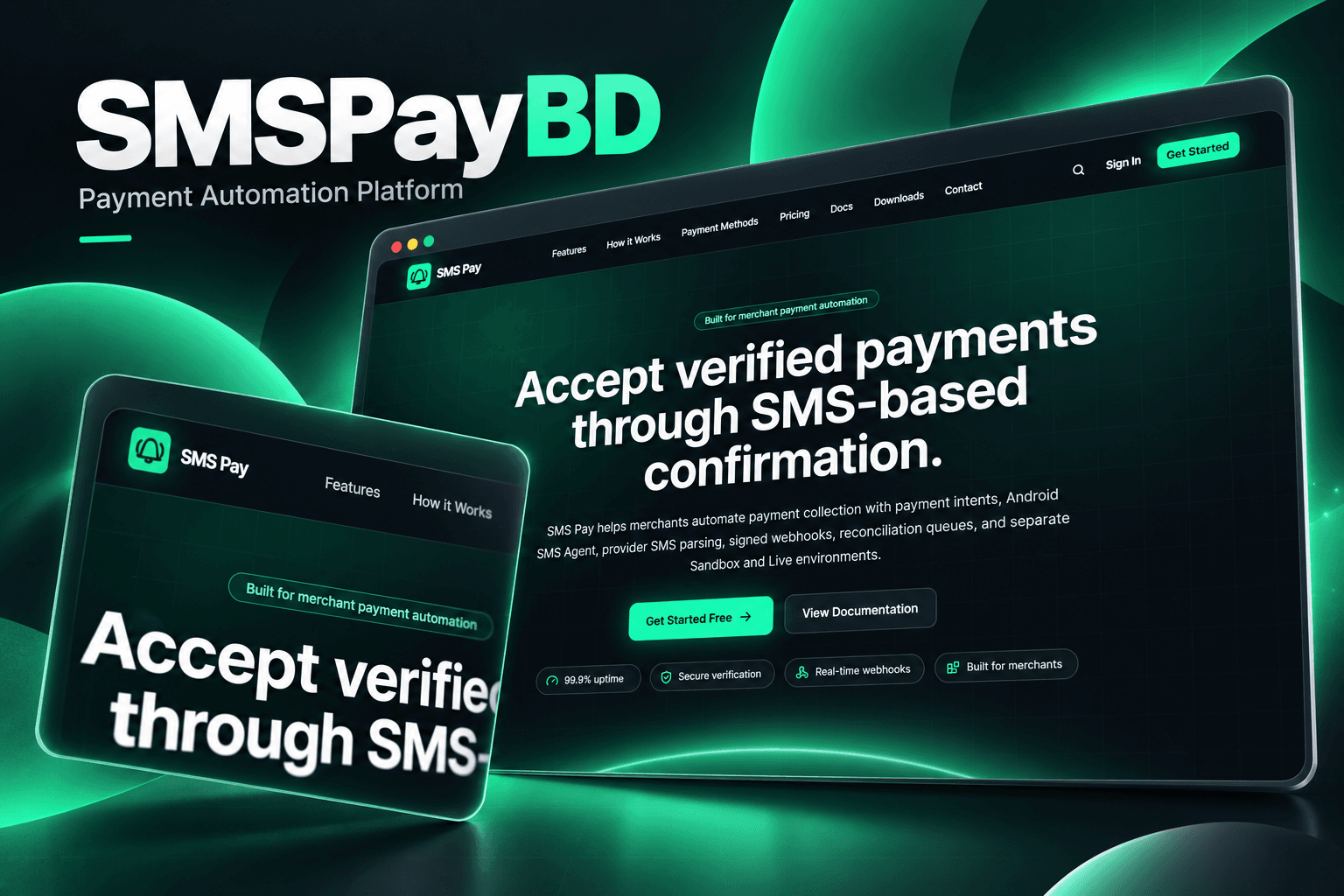
Full Stack · Fintech
SMSPayBD
Multi-tenant SMS Payment Reconciliation Platform
Next.js · NestJS · TypeScript · PostgreSQL
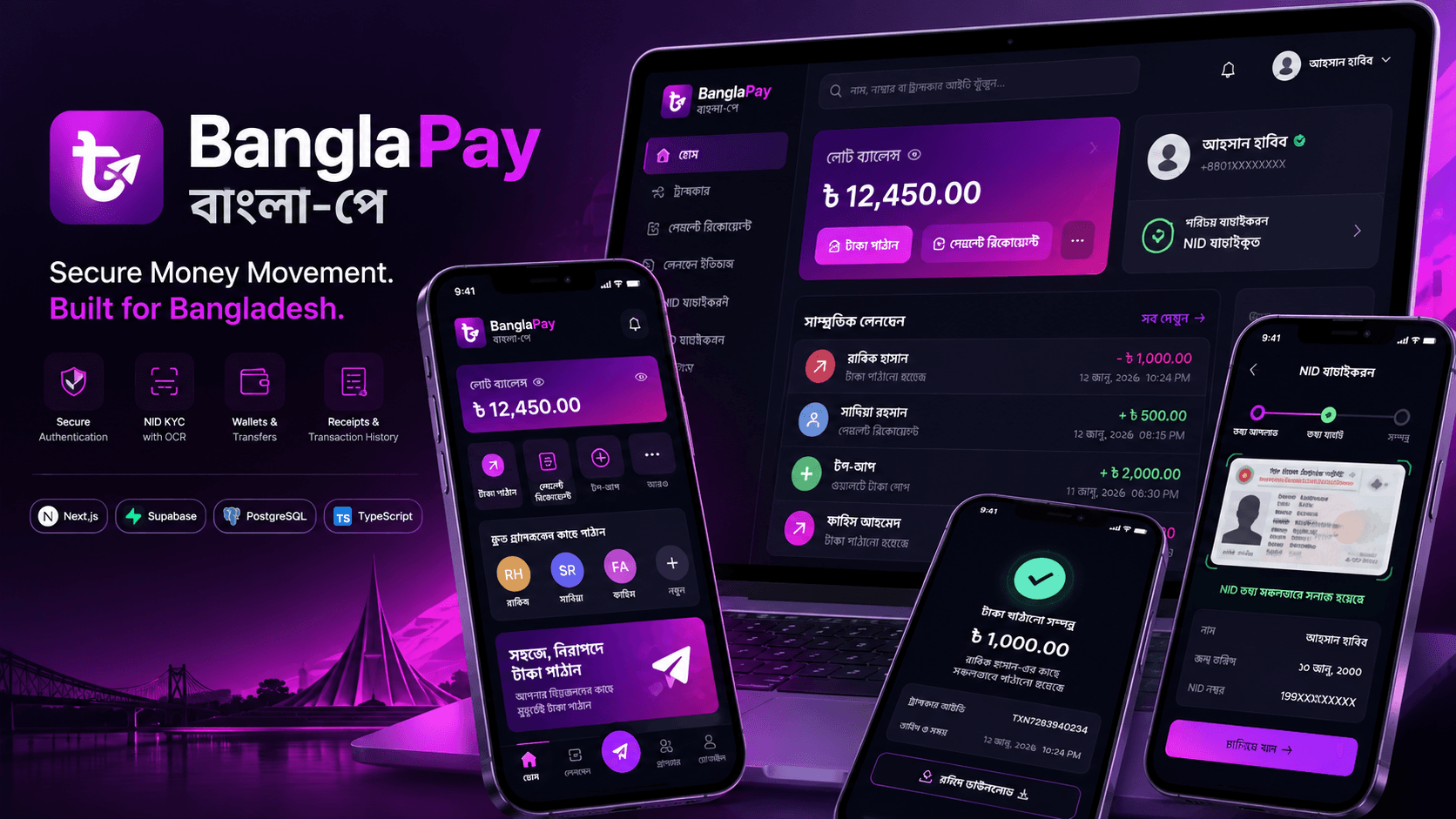
Full Stack · Fintech
BanglaPay
A secure MFS simulation built with an auditable double-entry ledger
Next.js 16 · React 19 · TypeScript · Tailwind CSS v4
 Newsletter
Stay in the Loop
Occasional emails about new projects, blog posts, and what I'm building - no spam.